Best Electric Utes in Australia (2026): Every EV and PHEV Ute Ranked
Written by CarSorted Editorial · 14 April 2026
CarSorted Verdict
Electric utes have arrived in Australia, but full-electric tradies aren't there yet for most buyers. The BYD Shark 6 PHEV is the best all-rounder right now — proper dual-cab, 100km of EV range for daily work, and a petrol engine for weekends away. If you need a full electric ute today, the LDV eT60 is the only real option, and it's a tradie-focused 2WD. The interesting wave is just ahead: the MG U9 EV is the first full electric with 3,500kg towing, and the Chery KP31 is about to become the world's first diesel plug-in hybrid ute. Wait for one of those if you can.
The State of Electric Utes in Australia
Utes are Australia's biggest-selling body style — the Ford Ranger and Toyota HiLux have occupied the top two sales spots nationally for years. But the electrification story in this segment has been slow. Towing is hard on an EV. Heavy payloads are hard on an EV. Outback distances are hard on an EV. All three are what utes are built for.
Things are finally changing. BYD has sold more than 20,000 Shark 6 PHEVs globally, and thousands are now on Australian roads. MG is bringing a full-electric dual-cab with proper 3,500kg towing capability. Chery is readying the world's first diesel plug-in hybrid ute. Ford and Toyota are both expected to launch ute PHEVs within the next 18 months. If you're in the market for an electrified ute, 2026 is the year the choice finally gets real.
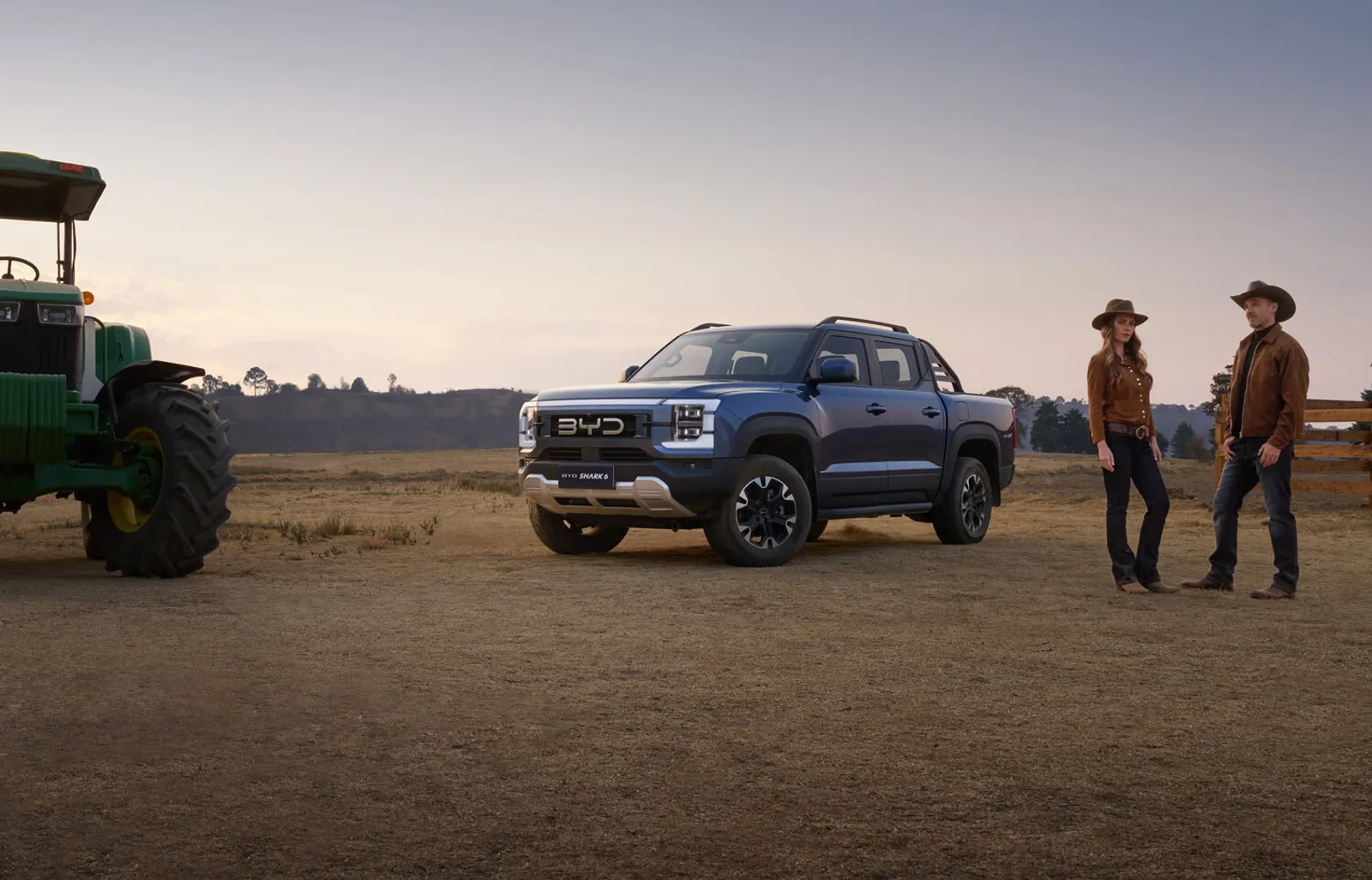
Image credit: BYD Australia
The Top Electric & PHEV Utes in Australia
1. BYD Shark 6 — Best All-Rounder
The Shark 6 is a plug-in hybrid dual-cab that gets electric utes right for the average Australian driver. A 1.5-litre turbo-petrol engine acts as a generator and drive assistant, paired with a 30kWh Blade battery delivering around 100km of EV-only range. Total combined range is over 800km. Peak system outputs are 321kW and 650Nm, which is genuine performance.
Towing is rated at 2,500kg braked — below the 3,500kg that most traditional diesel utes offer, but fine for a box trailer, caravan under 2.5 tonne, or jet ski. Payload is 790kg, and the tray measures 1,450mm long by 1,520mm wide. For most tradies who drive 60-80km a day and tow occasionally, the Shark 6 is genuinely cheaper to run than a diesel Ranger — you'll spend around $500 a year on home charging versus $3,000+ on diesel.
Pricing starts at $57,900 before on-roads for the Premium, with the new Performance and cab-chassis variants adding 3,500kg towing and tradie-friendly pricing from $55,900.
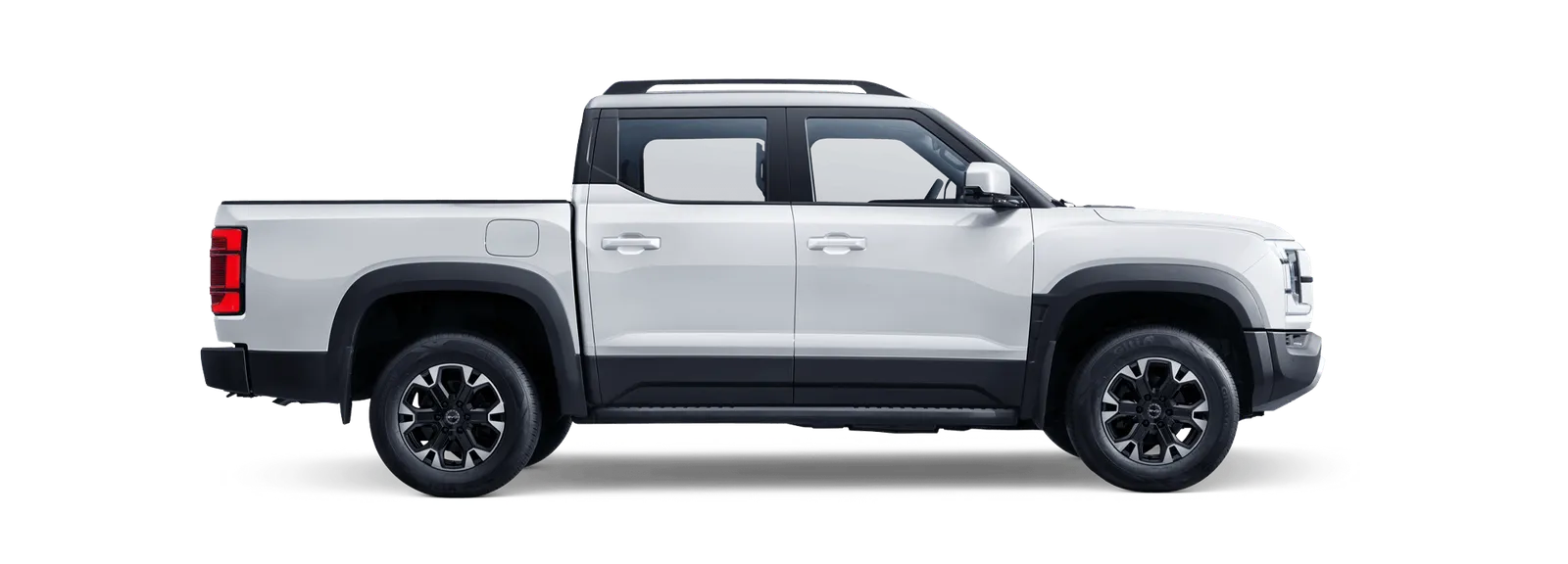
Image credit: BYD Australia
2. MG U9 EV — Best Full-Electric Capability (Coming 2026)
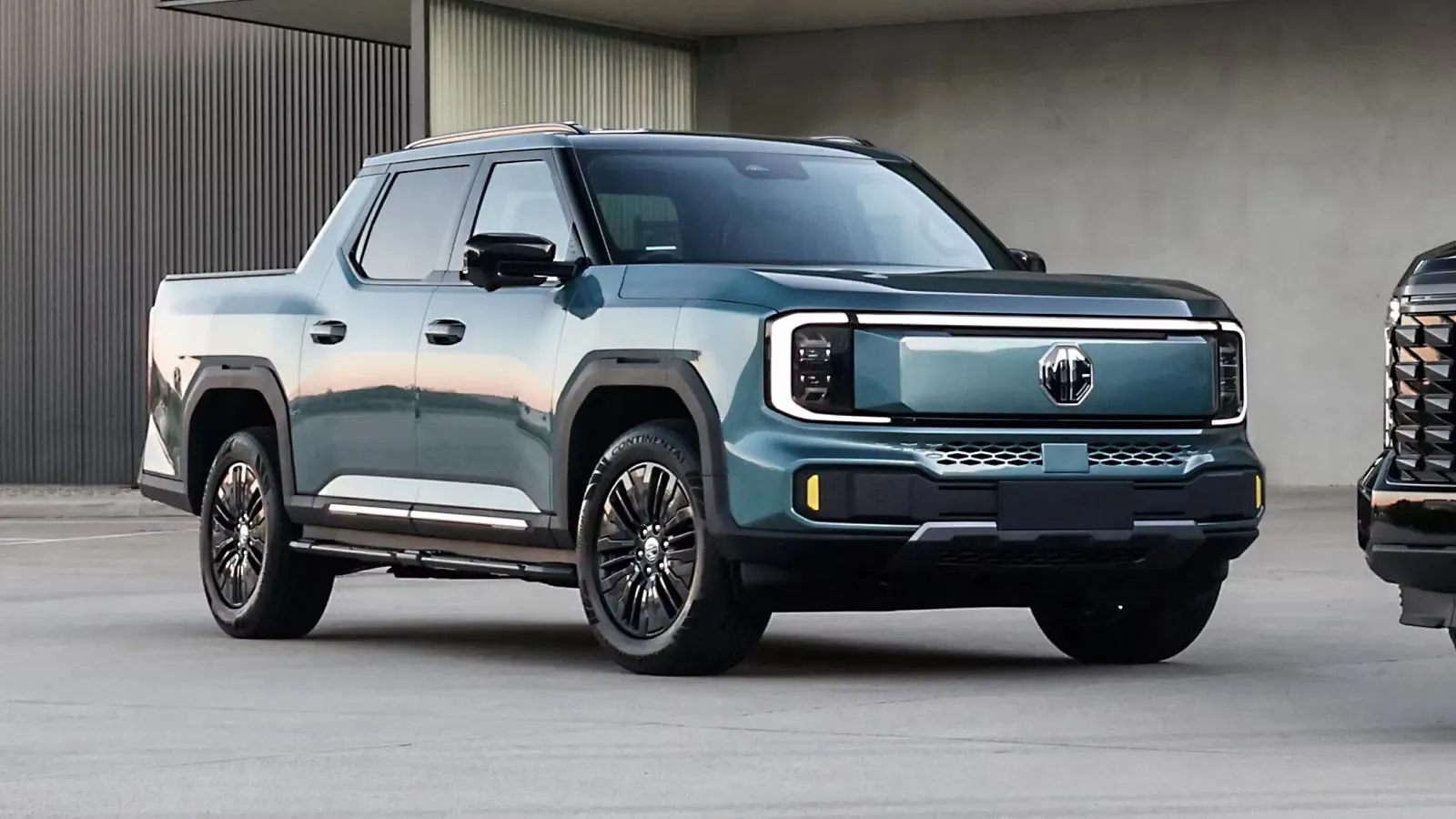
Image credit: MG Motor Australia
The MG U9 EV will be Australia's first full-electric dual-cab ute with a genuine 3,500kg braked towing rating. It claims 430km of WLTP range, a 102kWh battery, and DC fast-charging at up to 120kW. Payload is 1,025kg, which beats most petrol utes on the market.
For tradies who want electric without the PHEV compromise, this is the one to watch. The caveat is range while towing — expect a 40-55% hit when pulling 2,500kg or more, which puts the real-world towing range closer to 200km. Pricing is still unconfirmed but is expected to land in the $70,000-$85,000 bracket. Australian launch is pencilled in for late 2026.
3. LDV eT60 — Only Full-Electric On Sale Today
The LDV eT60 has been on sale in Australia since 2023 as our first fully electric ute. It's a 2WD single-cab with an 88kWh battery, 330km WLTP range, and 130kW output. Towing is rated at just 1,000kg braked and payload is 1,000kg — it's a tradie runabout, not a grey nomad tow vehicle.
At around $92,990 driveaway, it's been expensive for what it offers, which is why sales have been modest. It remains the only full-electric ute you can drive home today, though, and for a metro tradie doing 150-200km a day with light loads it genuinely works. V2L (vehicle-to-load) output for running power tools on site is a nice touch.
4. Chery KP31 — The World's First Diesel PHEV Ute (Late 2026)
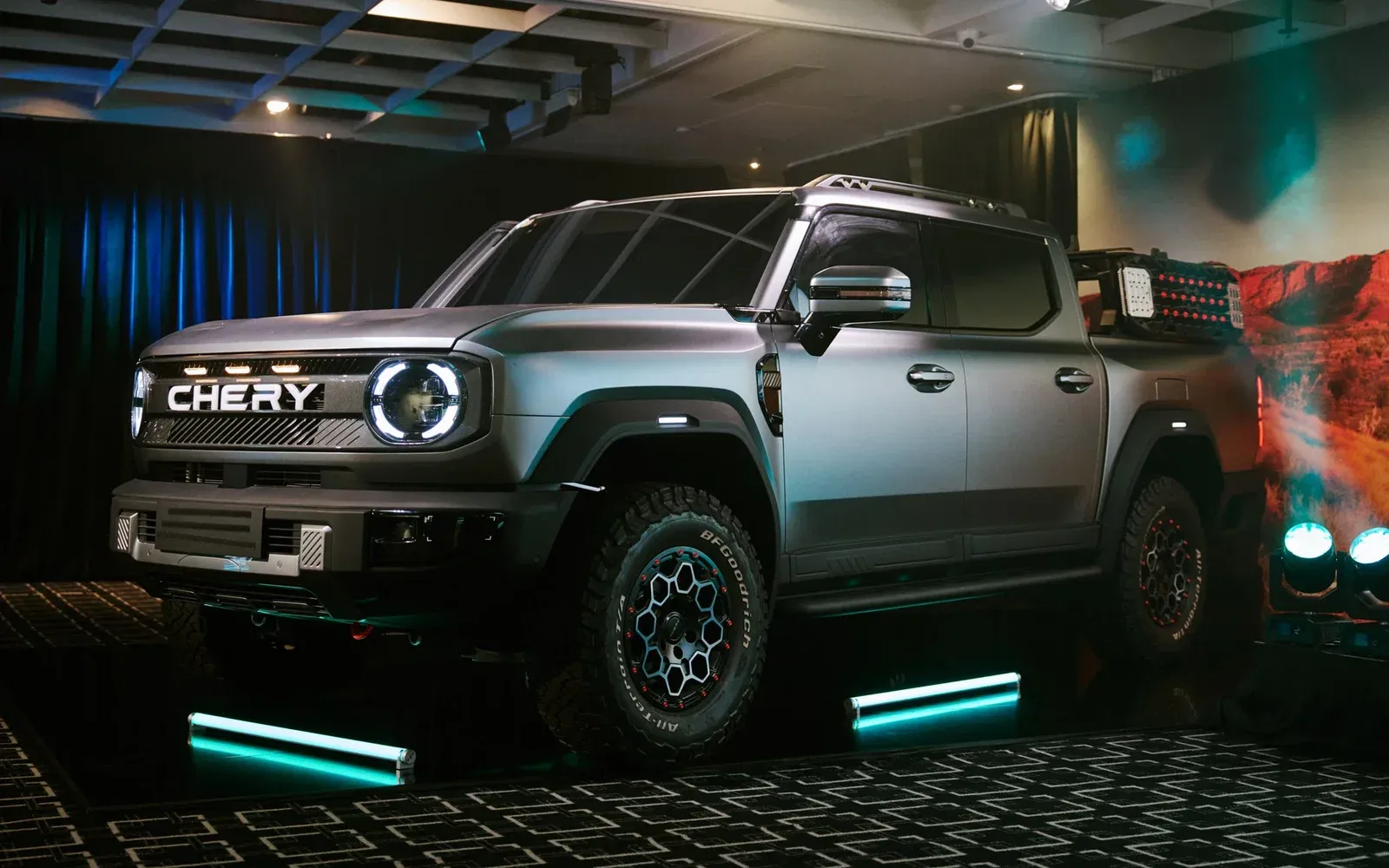
Image credit: Chery Australia
The Chery KP31 is about to make genuine history as the world's first diesel plug-in hybrid ute. A 2.0-litre turbo-diesel is paired with a 34kWh battery for 170km of pure electric range and a combined range of over 1,100km. Towing is rated at 3,500kg braked, with three diff locks and a proper off-road focus.
For buyers who tow long distances, this is potentially the holy grail — daily EV running costs with full diesel capability for the big trips. The catch is the unknowns: Chery is still new to the Australian ute market, dealer network coverage is patchy outside metro areas, and pricing has not yet been confirmed. Expected landing in late 2026.
5. Ford F-150 Lightning & Ranger PHEV — The American Angle
The Ford F-150 Lightning is not officially sold in Australia, but RMA converts right-hand-drive versions from around $200,000 driveaway. It offers 3,500kg+ towing, 515km of range, and a massive frunk. For buyers in the top end of the market, it's the most capable electric ute money can buy here. A Ford Ranger PHEV is expected in 2026-2027 with similar specs to the Shark 6, which will likely become the best-selling electrified ute once it lands.
Electric Ute Comparison Table
| Ute | Type | Towing | Range | Price From |
|---|---|---|---|---|
| BYD Shark 6 Premium | PHEV | 2,500 kg | 100 km EV / 800+ km total | $57,900 |
| BYD Shark 6 Cab-Chassis | PHEV | 3,500 kg | 100 km EV / 800+ km total | $55,900 |
| MG U9 EV (2026) | Full EV | 3,500 kg | 430 km WLTP | TBC (~$70-85k) |
| LDV eT60 | Full EV | 1,000 kg | 330 km WLTP | ~$92,990 d/a |
| Chery KP31 (Late 2026) | Diesel PHEV | 3,500 kg | 170 km EV / 1,100+ km total | TBC |
| Ford F-150 Lightning (RMA) | Full EV | 3,500 kg+ | 515 km | ~$200,000 d/a |
Annual Running Cost: Electric Ute vs Diesel Ute
This is where the electric and PHEV utes genuinely beat diesel alternatives. Based on 20,000km of annual driving at Australian average fuel and electricity rates, here's roughly how the maths works:
| Ute | Fuel / Power /yr | Service /yr | Total /yr |
|---|---|---|---|
| Ford Ranger XLT diesel | $2,740 | $840 | $3,580 |
| Toyota HiLux SR5 diesel | $2,812 | $800 | $3,612 |
| BYD Shark 6 PHEV | $780 | $460 | $1,240 |
| LDV eT60 full EV | $870 | $520 | $1,390 |
| Ford Ranger Raptor diesel | $3,330 | $920 | $4,250 |
A BYD Shark 6 typically costs around $2,300 less per year to run than a diesel Ranger, and roughly $3,000 less than a Ranger Raptor. Over a 5-year ownership cycle, that's $11,500 saved on fuel and servicing. For tradies on a novated lease or with FBT exemption, the savings are larger still. See our FBT exempt cars guide for the full list.
Who Should Buy an Electric Ute?
Metro tradies who drive 80km a day or less: A PHEV like the Shark 6 or, when it lands, a Ford Ranger PHEV, is likely the best financial decision on the Australian ute market right now. You'll run on electricity most of the time and never worry about range.
Regional buyers who tow big loads long distances: Wait for the Chery KP31 diesel PHEV or stick with a traditional diesel like the HiLux or Ranger until range anxiety while towing is solved.
Fleet buyers with home-base charging: An LDV eT60 or MG U9 EV makes fantastic sense for predictable daily runs. Zero fuel cost, zero tailpipe emissions, and far simpler servicing than a diesel over 5 years.
Grey nomads with big caravans: Not yet. Full-electric ute range while towing 3 tonnes at 100km/h is still a problem. A diesel HiLux or a Ranger V6 is still the sensible pick here for the next couple of years.
What's Coming Next
The next 18 months are going to reshape the Australian electric ute market. Confirmed or expected arrivals:
- MG U9 EV — late 2026, 3,500kg towing full electric
- Chery KP31 diesel PHEV — late 2026, world-first diesel hybrid
- Ford Ranger PHEV — expected 2026-2027
- Toyota HiLux PHEV — rumoured 2027
- Kia Tasman electric variants — 2027-2028
- Isuzu D-Max EV — global development confirmed, Australia TBC
For more: Best Utes in Australia 2026 | Best Electric Cars Australia | Best Towing Vehicles | EV vs Hybrid: Which Saves More?
Disclaimer: Specifications and pricing are sourced from manufacturer data and Australian launch information as at April 2026. Launch dates for upcoming electric utes may shift. Real-world range varies with load, speed, temperature and terrain; expect 40-55% range reduction when towing near maximum braked capacity. Always confirm specs and pricing with your local dealer.
Cars in This Article
Frequently Asked Questions
Can an electric ute tow 3,500kg in Australia?
What is the cheapest electric ute in Australia?
Is a PHEV ute better than a full electric ute?
What electric utes are coming to Australia in 2026 and 2027?
Is a BYD Shark 6 really a ute or a glorified SUV?
Disclaimer: All information in this article was believed to be correct at the time of publishing (14 April 2026). Prices are manufacturer recommended retail prices (RRP) and may vary by state, dealer, and options. Specifications, government incentives, and rebates can change without notice. Always verify details with the manufacturer or relevant authority before making a purchase decision. Running cost estimates are based on average Australian driving conditions at 15,000 km/year. All opinions are editorial and independent. CarSorted does not accept payment for recommendations or rankings.
Written by CarSorted Editorial, CarSorted Editorial Team · 14 April 2026
Comments (0)
Sign in to join the conversation
No comments yet. Be the first!