BYD Seal 6 Arrives in Australia: PHEV Sedan and Wagon From $34,990
Written by Uzzi, CarSorted Editorial Team · 8 April 2026
Key Takeaways
- BYD Seal 6 arrives in Australia from $34,990 (before on-roads)
- Plug-in hybrid with up to 1400km combined range
- Available as sedan (Essential) and wagon (Touring)
- Direct rival to the Toyota Camry Hybrid at $5,000 less
- Orders open 9 April 2026, deliveries mid-year
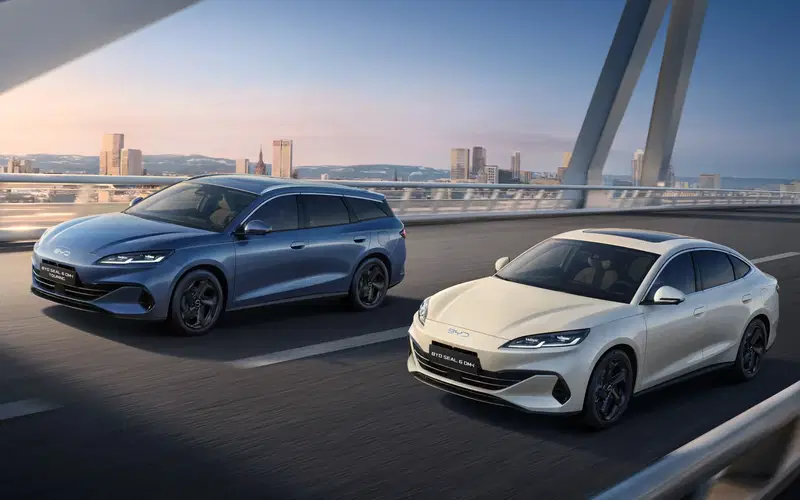
BYD has confirmed Australian pricing for the Seal 6, a plug-in hybrid mid-sizer that could reshape the affordable sedan and wagon market overnight. Starting at $34,990 before on-road costs for the Essential sedan, it slots in $5,000 below the Toyota Camry Hybrid while offering something the Camry simply cannot: genuine electric-only driving.
Orders open from April 9, with showroom deliveries expected around mid-2026.
Not to Be Confused With the BYD Seal
Despite sharing a name, the Seal 6 is an entirely different car to BYD's fully electric Seal sedan. The Seal is a pure EV priced from $46,990. The Seal 6 is a plug-in hybrid that pairs a petrol engine with an electric motor and a smaller battery. Different platform, different powertrain, different buyer.
Two Body Styles, Two Trims, No Overlap
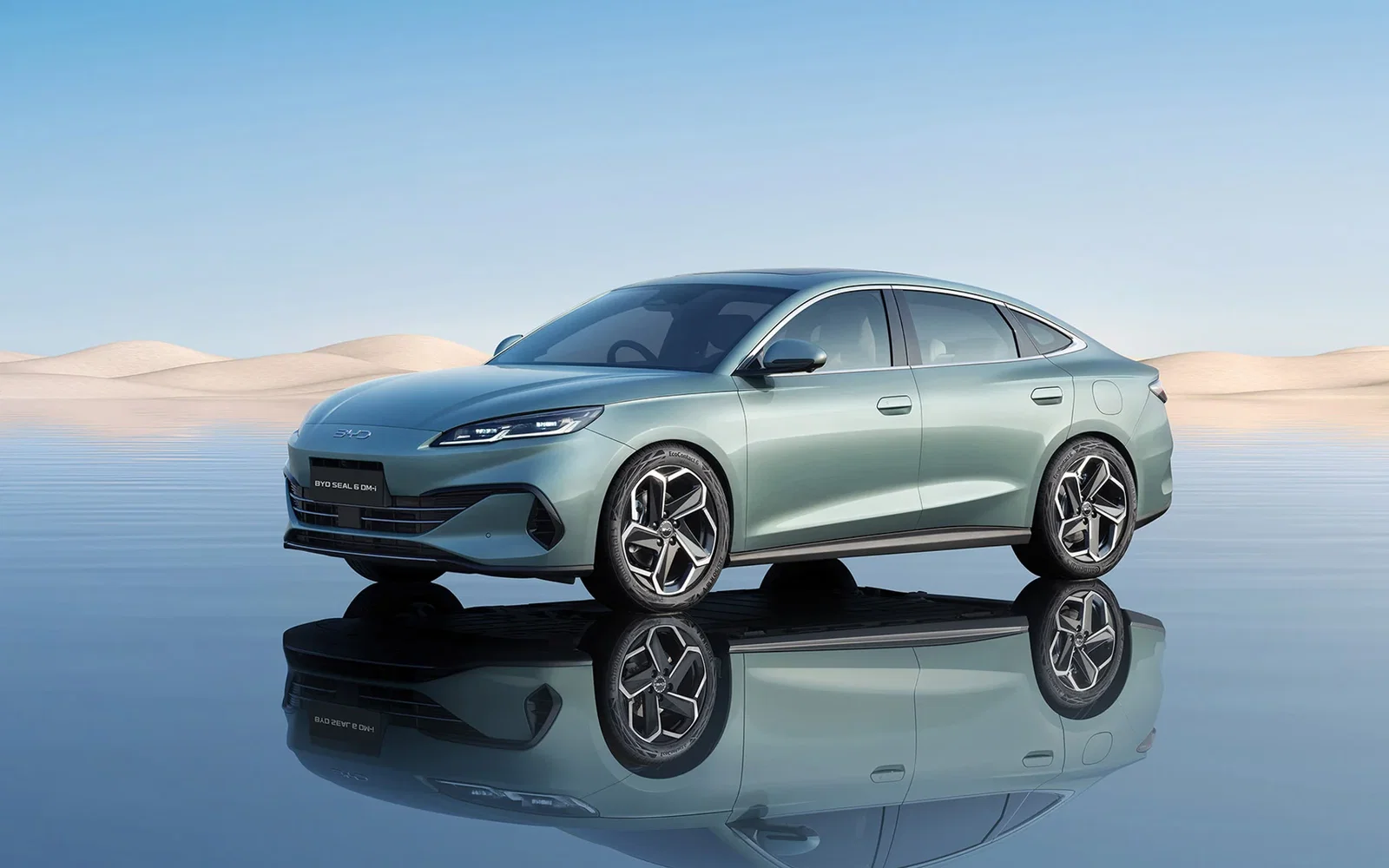
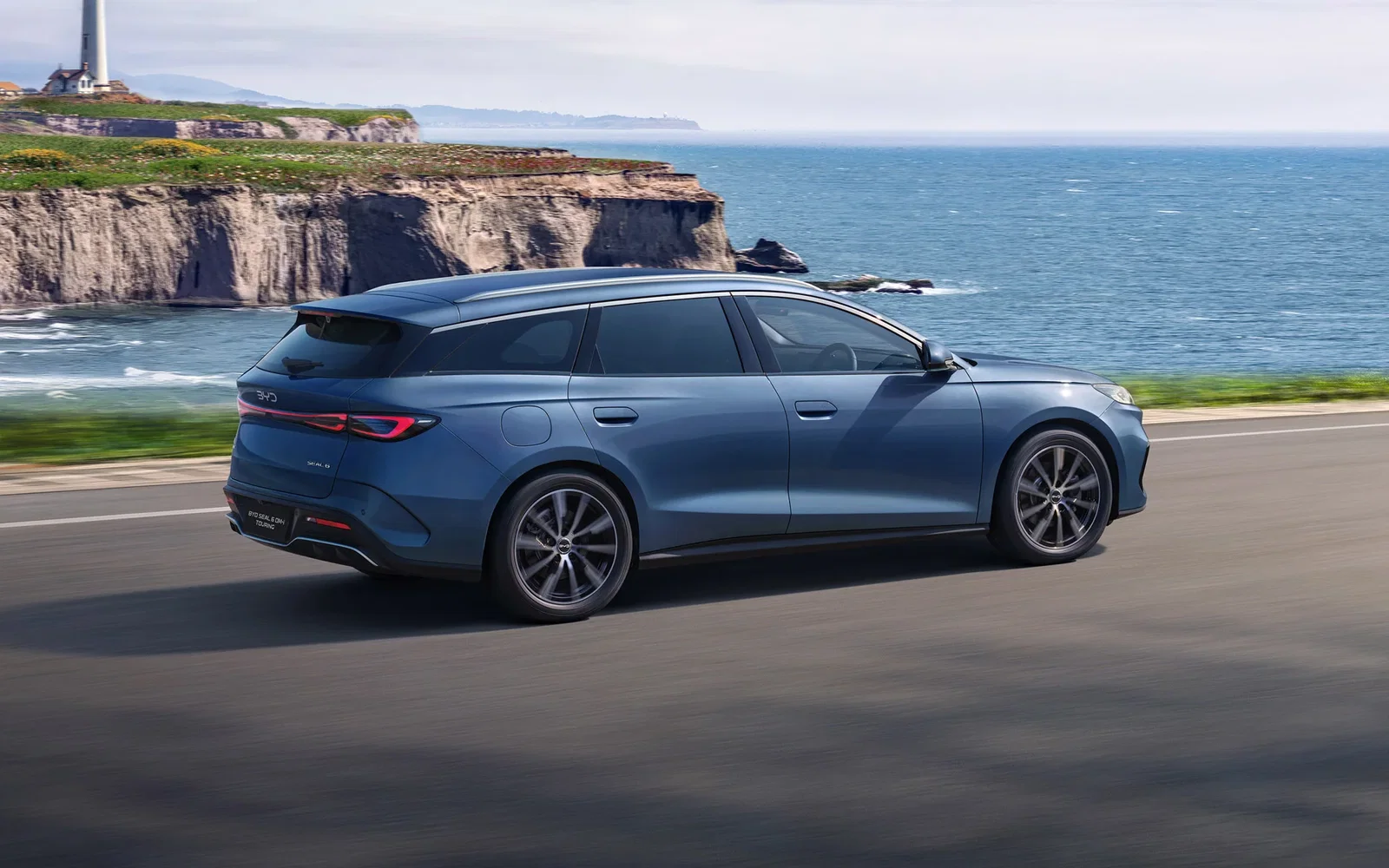
BYD is keeping things simple. The sedan comes in Essential trim only. The wagon, which BYD calls the Touring, comes in its own single trim. You pick the body style you want, and that dictates the spec level. No confusing trim walk.
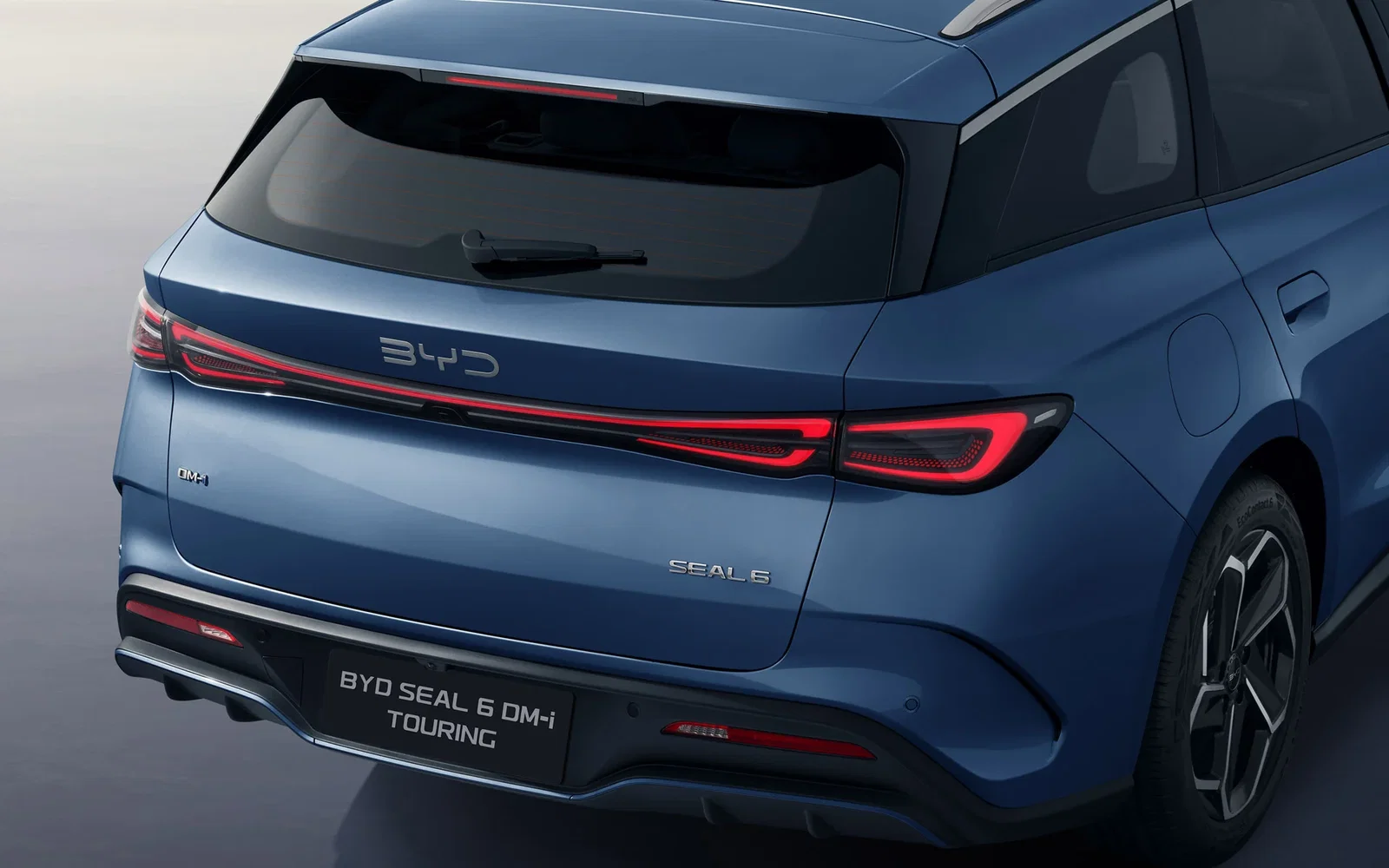
The sedan has a seriously slippery drag coefficient of Cd 0.255 and a 491-litre boot. The Touring wagon is the more practical choice with 670 litres behind the rear seats, expanding to a cavernous 1,535 litres with them folded. The Touring also adds roof rails and a powered tailgate over the Essential.
Full Specs Comparison
| Specification | Seal 6 Essential Sedan | Seal 6 Touring Wagon |
|---|---|---|
| Price (before on-roads) | $34,990 | $39,990 |
| Battery | 10.08 kWh (LFP Blade) | 19 kWh (LFP Blade) |
| Electric motor | 120 kW | 160 kW |
| Combined system power | 130 kW | 163 kW |
| Electric motor torque | 300 Nm | 300 Nm |
| Engine | 1.5L 4-cyl Atkinson | 1.5L 4-cyl Atkinson |
| EV-only range (WLTP) | 55 km | 100 km |
| Combined range (WLTP) | 1,400+ km | 1,300+ km |
| Fuel tank | 65 L | 65 L |
| 0-100 km/h | 8.9 sec | 8.5 sec |
| Drive | FWD | FWD |
| Drag coefficient | Cd 0.248 | Cd 0.260 |
| Boot space | 491 L | 670 L / 1,535 L |
| Dimensions (L x W) | 4,840 x 1,875 mm | 4,840 x 1,875 mm |
| Wheelbase | 2,790 mm | 2,790 mm |
| Kerb weight | 1,665 kg | 1,765 kg |
| Turning circle | 5.5 m | 5.5 m |
| Suspension | MacPherson / Multi-Link | MacPherson / Multi-Link |
| Warranty | 6 yr / 150,000 km | 6 yr / 150,000 km |
The DM 5.0 Super Hybrid Powertrain
Both variants run BYD's DM 5.0 Super Hybrid system. It pairs a 1.5-litre four-cylinder Atkinson Cycle petrol engine (46% thermal efficiency, which is seriously high) with an electric motor and an LFP Blade Battery. The system can run on electricity alone, petrol alone, or both together depending on the driving situation.
The Essential sedan gets a 10.08 kWh battery for 55 km of electric-only range. For most Australians, that covers the daily commute without the petrol engine ever switching on. The Touring wagon steps up to 19 kWh for 100 km of electric range, meaning you could realistically do a full week of city driving on a single charge.
Combined system power is 130 kW for the sedan and 163 kW for the wagon. Neither is going to win drag races, but the 300 Nm of instant electric torque means around-town responsiveness is strong. The 65-litre fuel tank combined with the battery gives that headline figure: over 1,400 km of combined range for the sedan, and 1,300+ km for the heavier Touring.
Standard Equipment
Both variants come well-equipped. Standard across the range: a 12.8-inch touchscreen with wireless Apple CarPlay and Android Auto, an 8.8-inch digital instrument cluster, seven airbags, autonomous emergency braking (AEB), adaptive cruise control, blind-spot monitoring, lane-centring assist, child presence detection, and Level 2 driver assistance. The Touring adds roof rails and a powered tailgate.
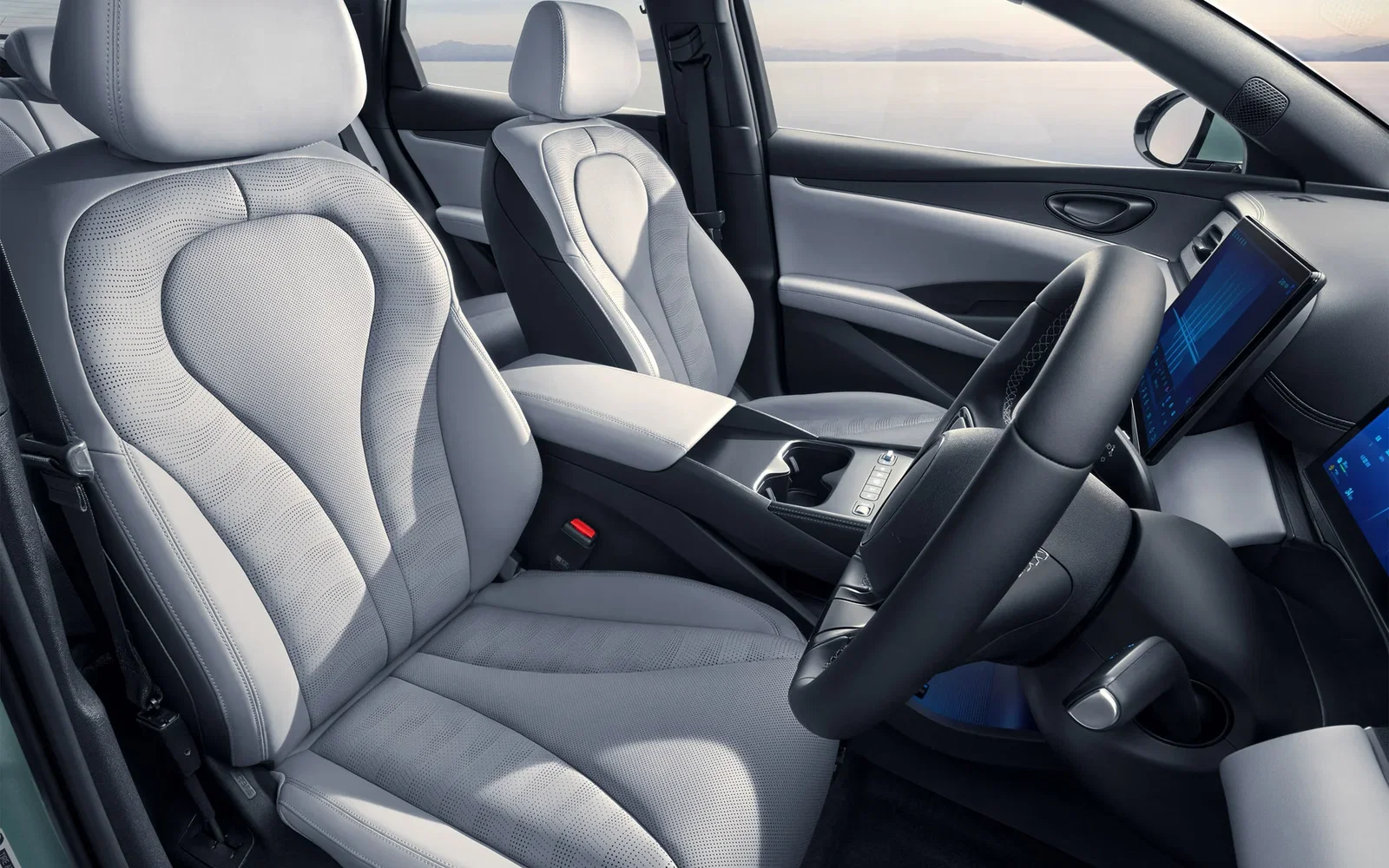
Interior options include vegan leather seats on the Touring, with both trims offering ambient lighting, wireless phone charging, front and rear USB-C ports, and a PM2.5 air filtration system. The Touring also gets ventilated and heated front seats with driver memory, plus an auto-dimming rear-view mirror.
Safety: Euro NCAP 5-Star Rating
The BYD Seal 6 has already been awarded a 5-star Euro NCAP safety rating, which strongly suggests it will receive the same 5-star ANCAP rating in Australia (ANCAP uses Euro NCAP test data). Standard safety equipment across both variants includes AEB for cars, pedestrians, cyclists and motorcyclists, lane assist, blind-spot detection, fatigue and distraction monitoring, cyclist dooring prevention, rear cross-traffic alert, and child presence detection. ISOFIX and i-Size anchor points are fitted on the front passenger seat and outer rear seats.
How It Compares to the Camry
The Toyota Camry Hybrid starts at $39,990 before on-roads, which is $5,000 more than the Seal 6 Essential. The Camry is a conventional hybrid. It cannot drive on electricity alone for any meaningful distance. The Seal 6 can do 55 to 100 km on battery before the engine starts.
That said, Toyota has decades of hybrid reliability data, industry-leading resale values, and a dealer network that covers every corner of Australia. BYD is still building that trust. The Seal 6 wins on paper specs and price. The Camry wins on brand confidence and proven long-term ownership experience.
PHEV Rivals to Watch
The Seal 6 is not the only affordable PHEV landing in Australia. The Geely Starray EM-i starts from $37,490 before on-roads, and the Chery Tiggo 7 Super Hybrid is available from $34,990 driveaway. On the hybrid SUV side, the MG HS Hybrid+ begins at $40,990 driveaway and the GWM Haval Jolion Hybrid starts from $31,790 driveaway, though neither of those can drive on electricity alone the way the Seal 6 can.
The Wagon Angle
The Touring wagon is arguably the more interesting car. At $39,990, it undercuts the Skoda Octavia Select MHEV ($43,990) while offering 100 km of genuine electric range and 1,535 litres of cargo space with the seats down. For families who need space but want to stop paying $2/L at the pump, the Touring could be a game-changer.
Our Take
The Seal 6 is exactly the kind of car Australia needs right now. Fuel prices are at record highs, PHEV sales are surging, and buyers are looking for something between a traditional hybrid and a full EV. At $34,990 for a mid-size sedan with 55 km of electric range and 1,400 km of total range, the value proposition is hard to argue with.
We will be putting together a full review once we get behind the wheel. In the meantime, if you are cross-shopping mid-size sedans, the Seal 6 just made that decision a lot more interesting.
Read our full BYD Seal (electric) review here | Best Hybrid Cars Australia 2026 | EV vs Hybrid: Which Saves More?
Note: Some technical specifications referenced in this article are sourced from the UK and European Seal 6 spec sheet. Australian specifications, features and equipment levels may differ from those listed above. BYD Australia has not yet released the full local spec sheet. We will update this article when confirmed Australian data is available.
Cars in This Article
Compare these cars yourself
200+ specs, fuel costs, safety ratings, braking distance, and speed vs range calculator.
Frequently Asked Questions
How much is the BYD Seal 6 in Australia?
Is the BYD Seal 6 a hybrid or fully electric?
What is the range of the BYD Seal 6?
When can I order the BYD Seal 6 in Australia?
Is the BYD Seal 6 the same as the BYD Seal?
How does the Seal 6 compare to the Toyota Camry Hybrid?
Disclaimer: All information in this article was believed to be correct at the time of publishing (8 April 2026). Prices are manufacturer recommended retail prices (RRP) and may vary by state, dealer, and options. Specifications, government incentives, and rebates can change without notice. Always verify details with the manufacturer or relevant authority before making a purchase decision. Running cost estimates are based on average Australian driving conditions at 15,000 km/year. All opinions are editorial and independent. CarSorted does not accept payment for recommendations or rankings.
Written by Uzzi, CarSorted Editorial Team · 8 April 2026
Comments (0)
Sign in to join the conversation
No comments yet. Be the first!